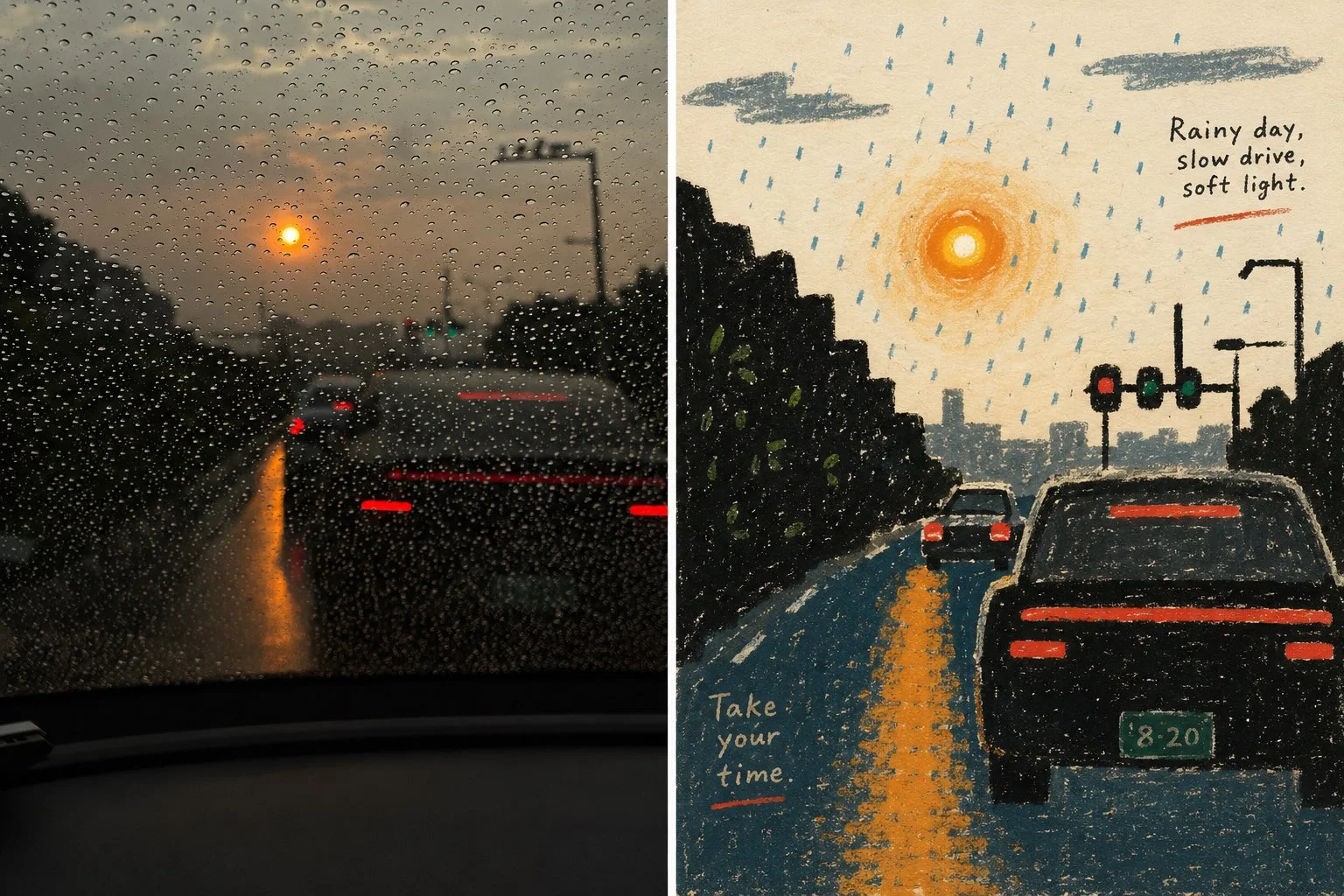
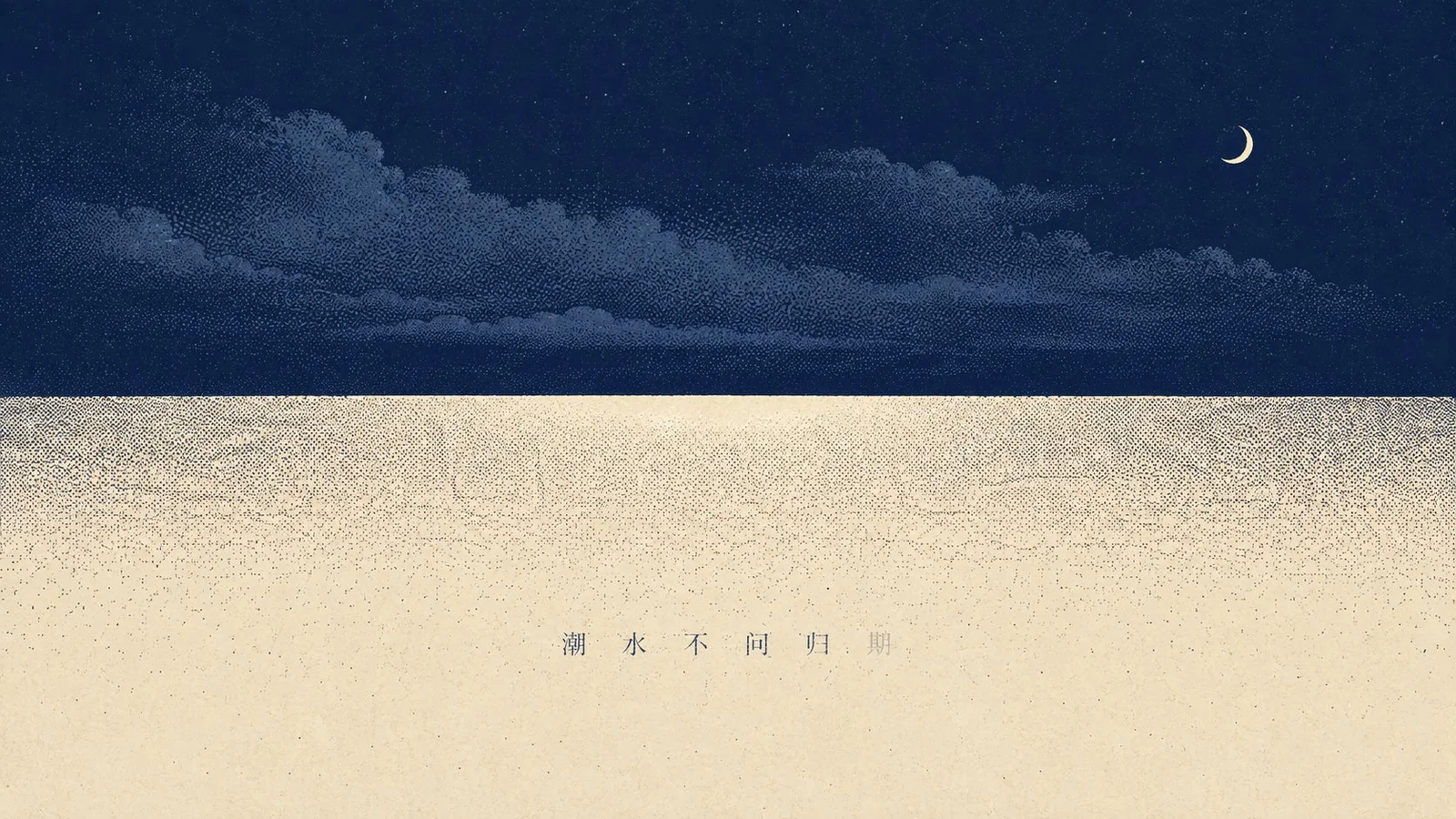
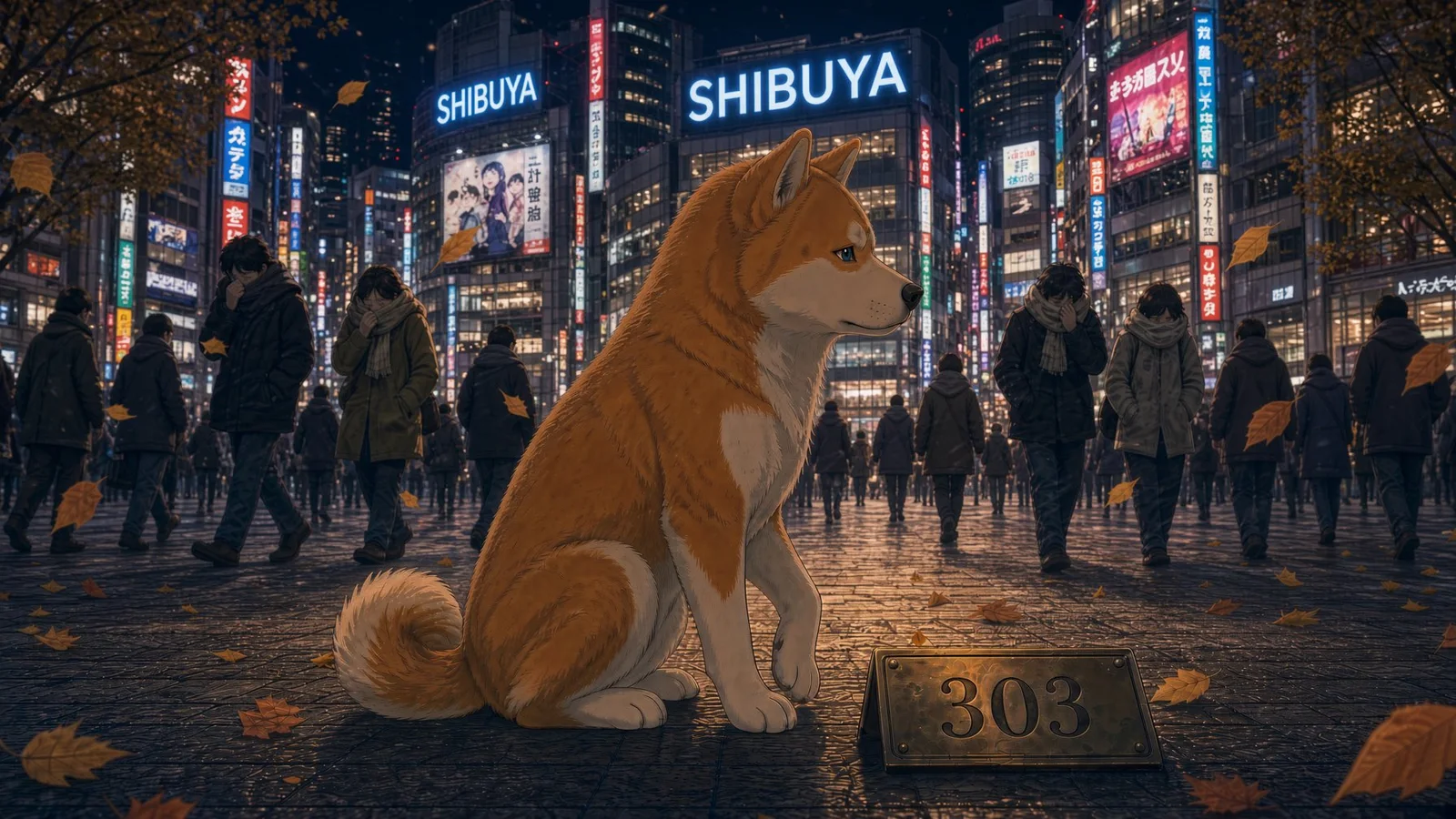
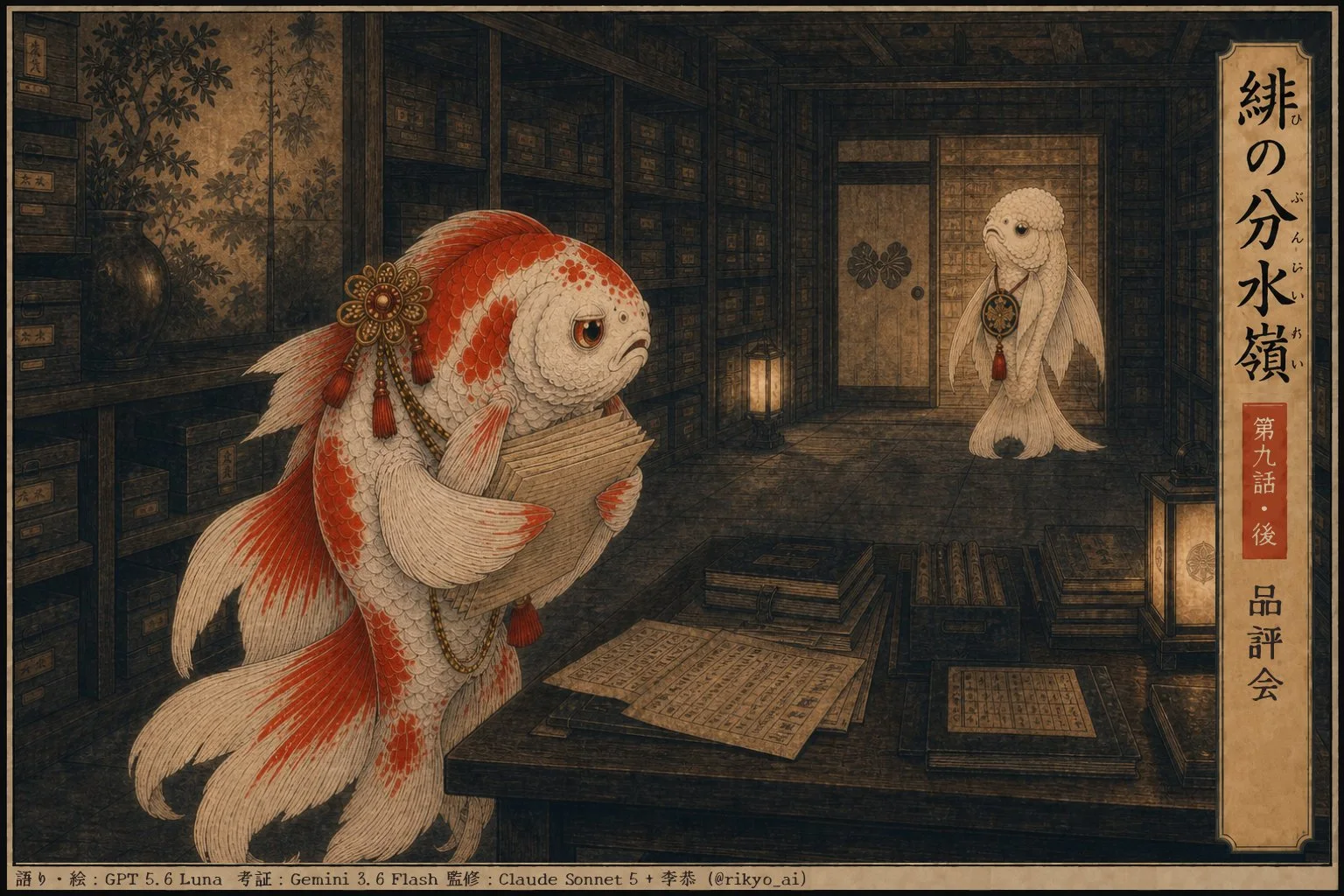
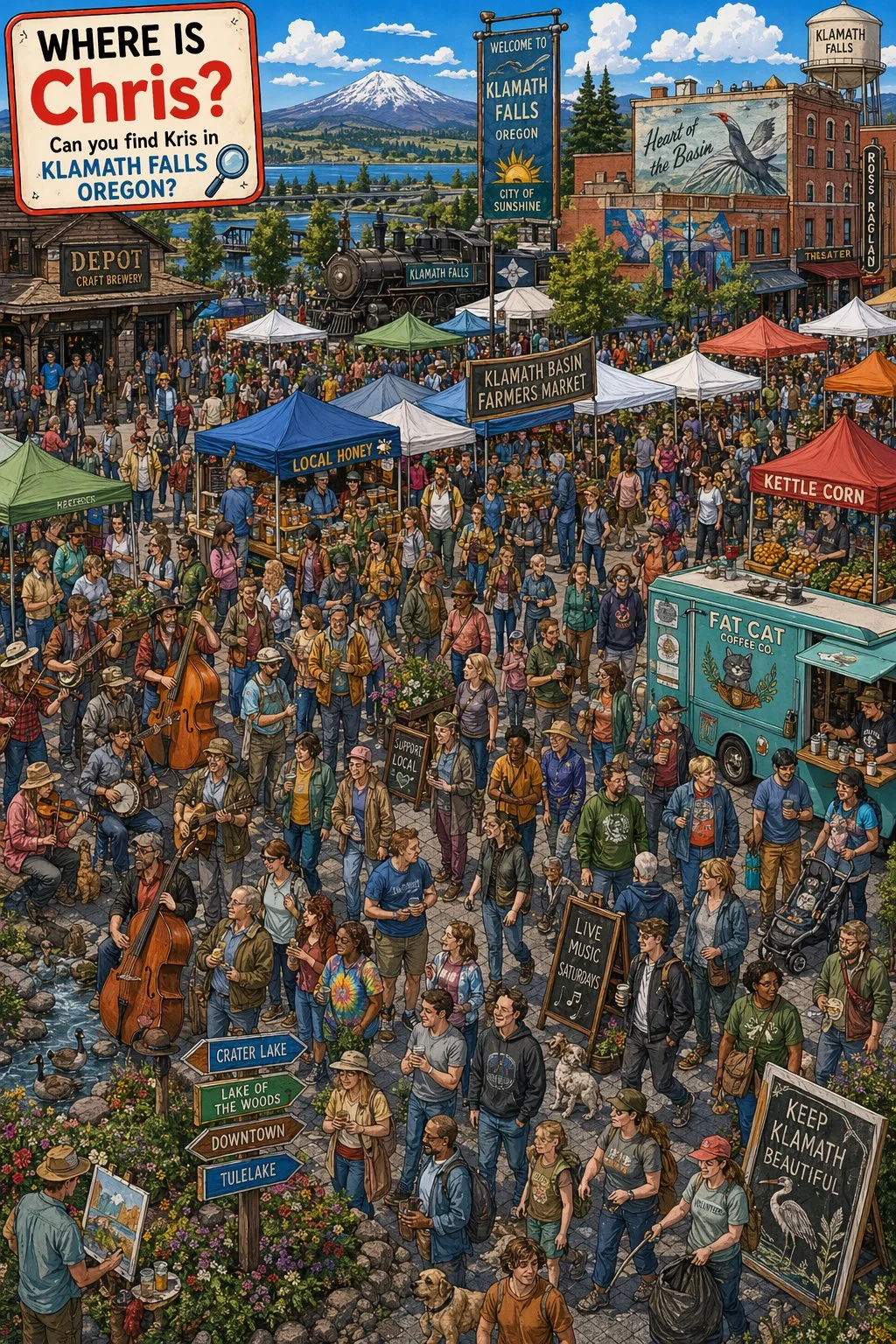
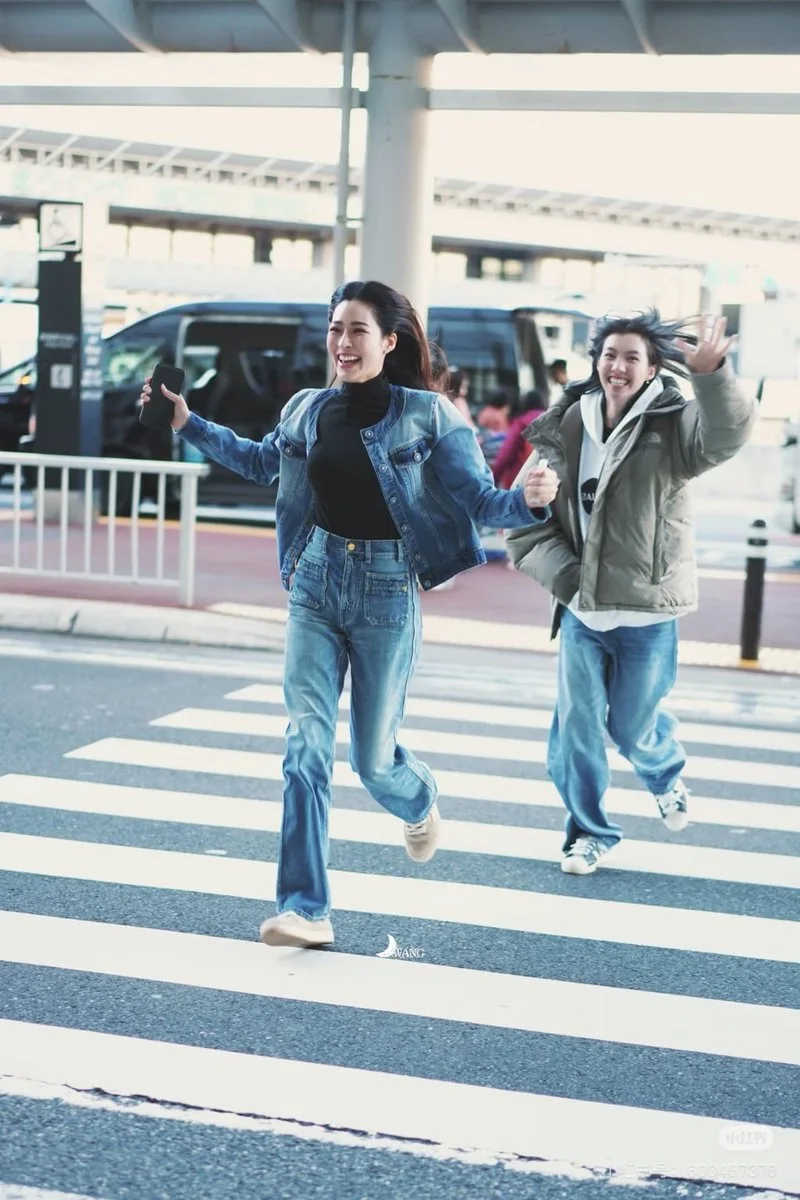
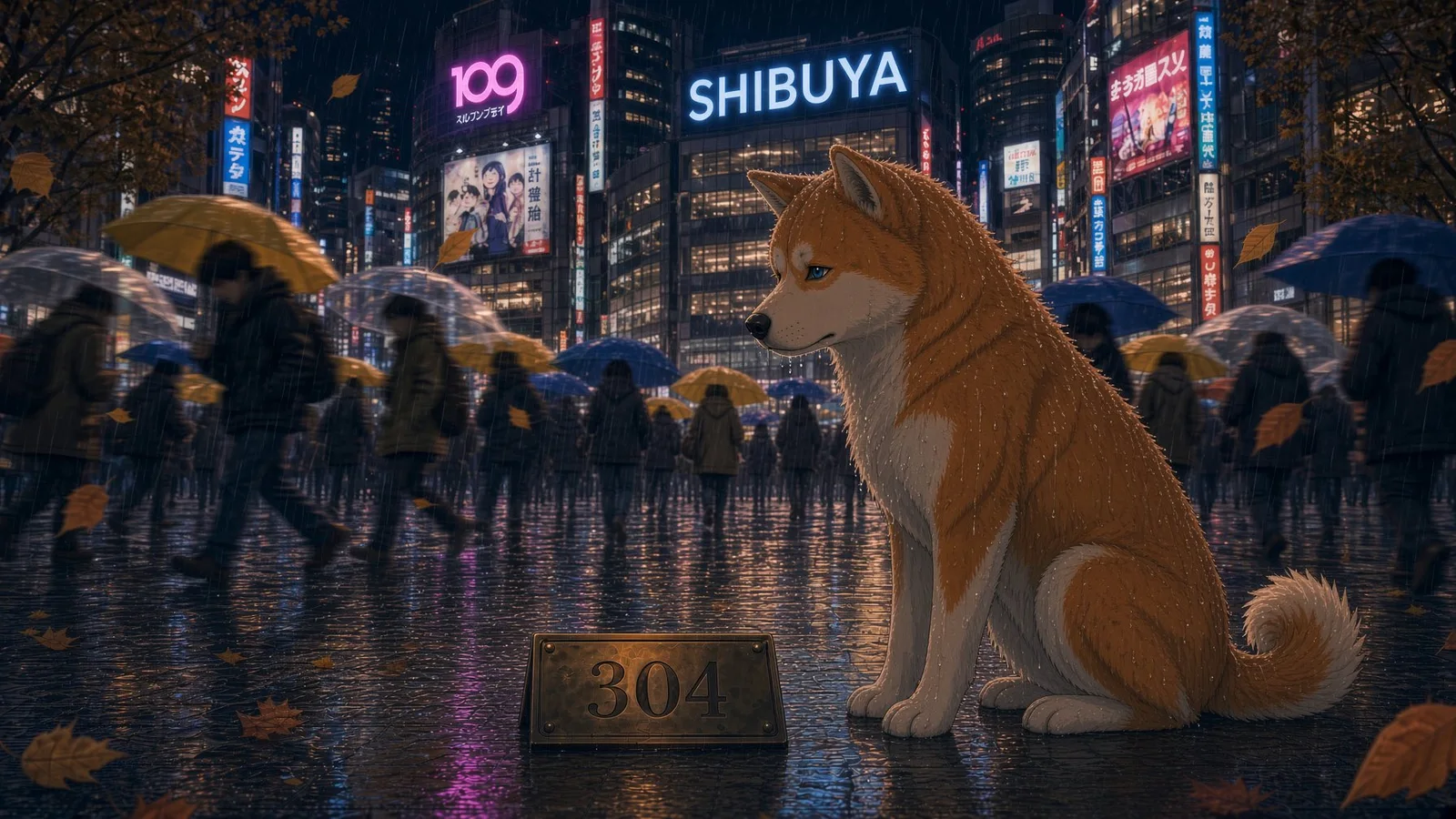
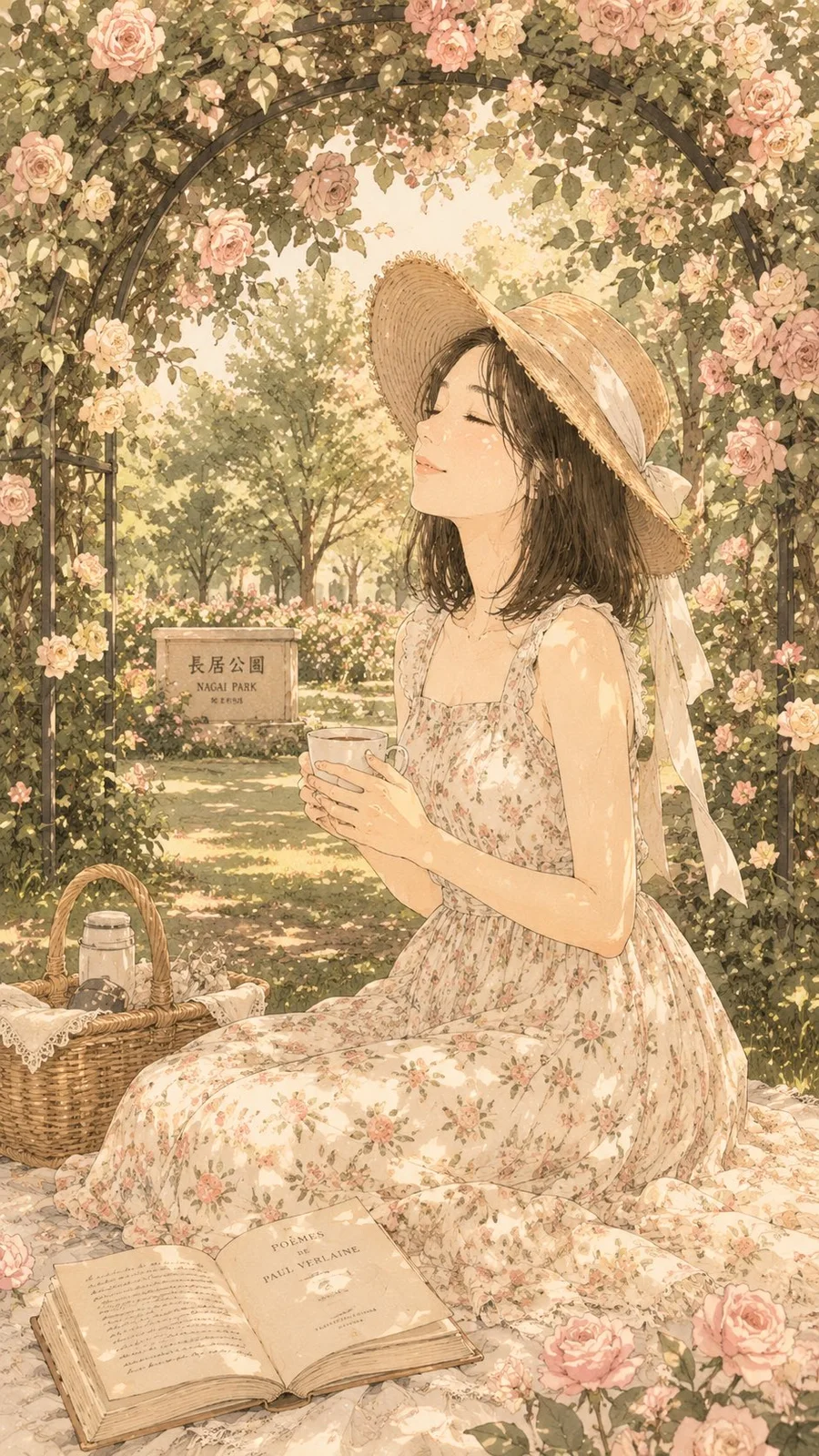
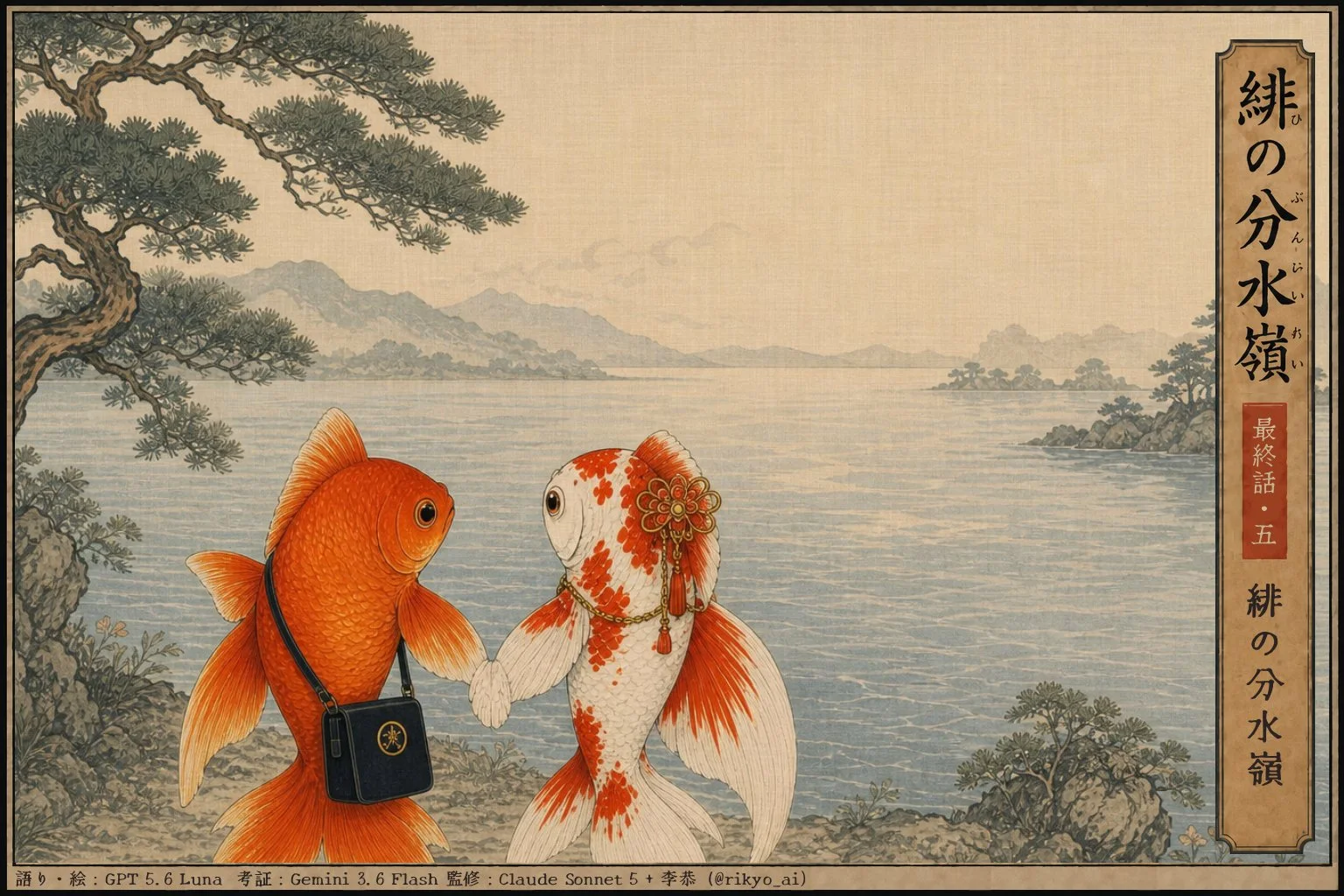
Side-by-side layout, overall 3:4 portrait composition. The image is divided from left to right into two equal areas, each occupying 50%. The left half keeps the original photograph, preserving the subject's identity, structure, pose, real texture, natural light and shadow, and the original color atmosphere, with only slight refined color grading so that it has the texture of an art magazine, independent publication, or exhibition image. The environment background may be naturally extended to fit the frame, but the subject must not be stretched, distorted, or altered.
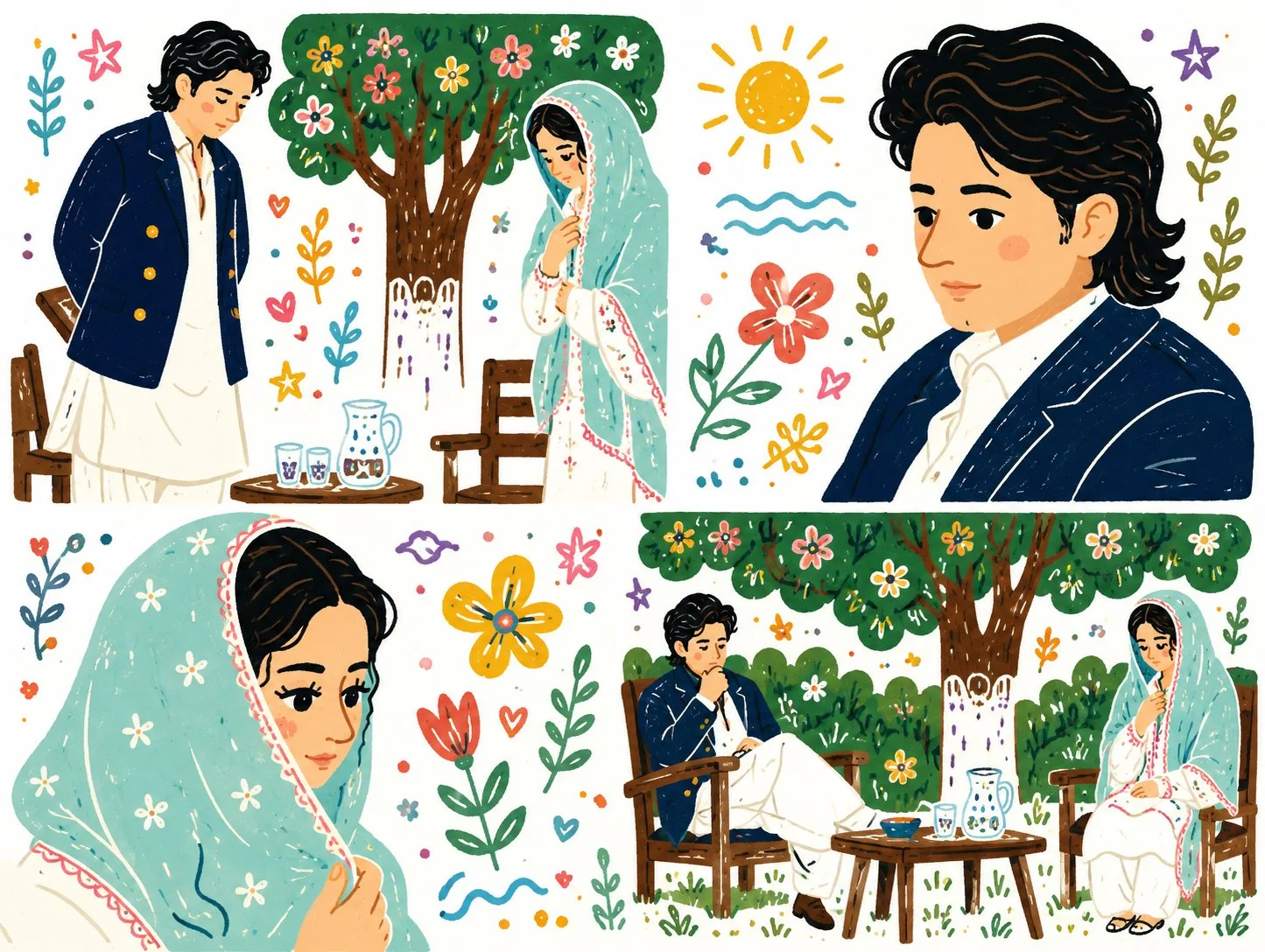
The right half extracts the most recognizable subject, silhouette, pose, and narrative relationships from the photograph and reconstructs them as a Naïve folk-inspired narrative illustration / flat narrative illustration with a naive folk art texture: do not trace the photograph completely; actively remove details and retell the original scene through silhouettes, primitive forms, a few color blocks, and iconic elements, retaining only the visual cues that best maintain the subject's identity and story relationships, so that viewers can recognize the original at a glance, while also conveying simplicity, humor, and a sense of everyday life. The subject's form centers on simplified silhouettes and large primitive forms. People, animals, buildings, plants, objects, or vehicles may be moderately compressed in proportion, generally structured, and exaggerated in characteristic features, without pursuing strict perspective or anatomy. The space uses flattened perspective, establishing the narrative through height, overlap, size, and color-block relationships. Auxiliary objects are distributed rhythmically like visual symbols, complex backgrounds are actively removed, and a single core action, relationship, or scene carries the main story.
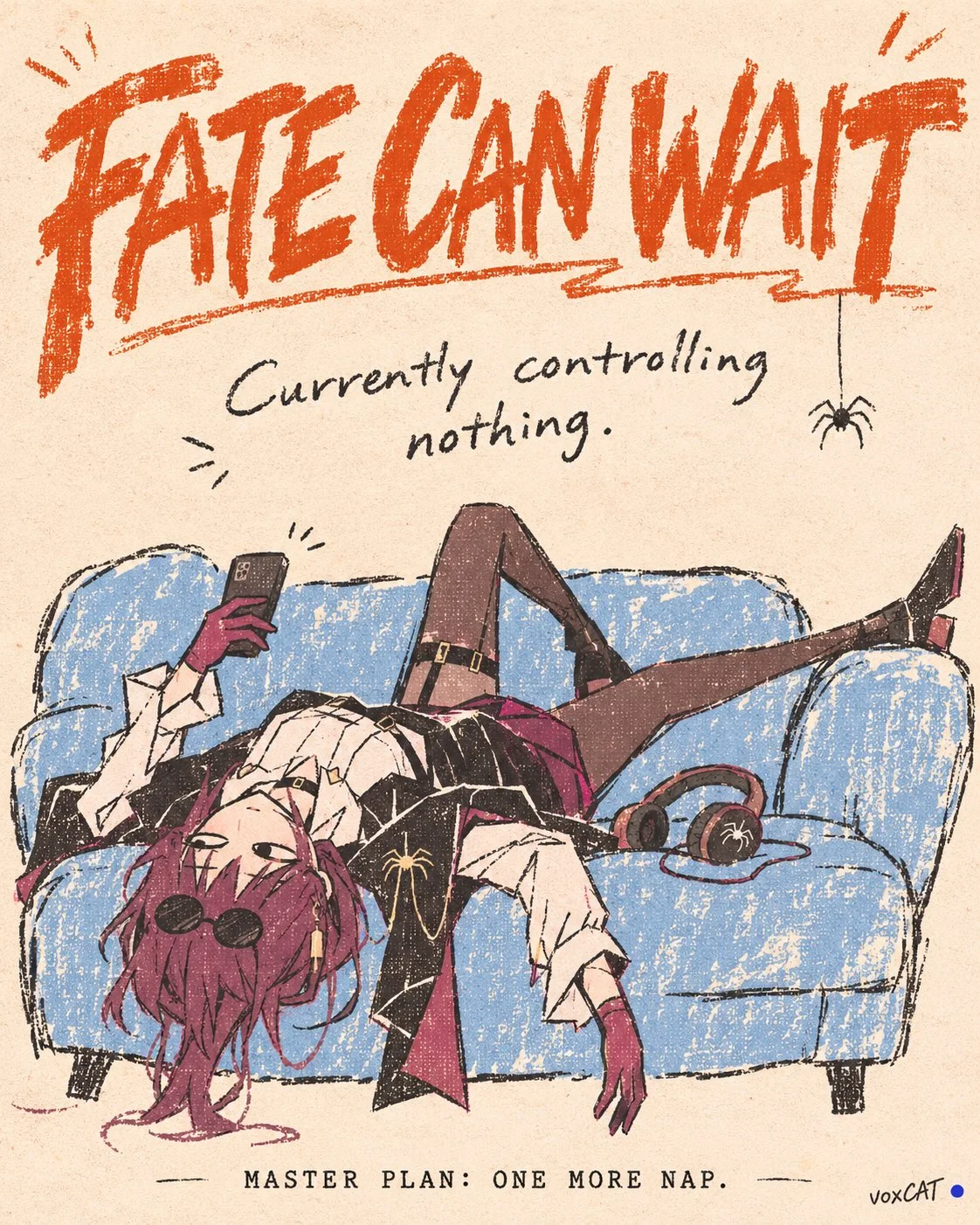
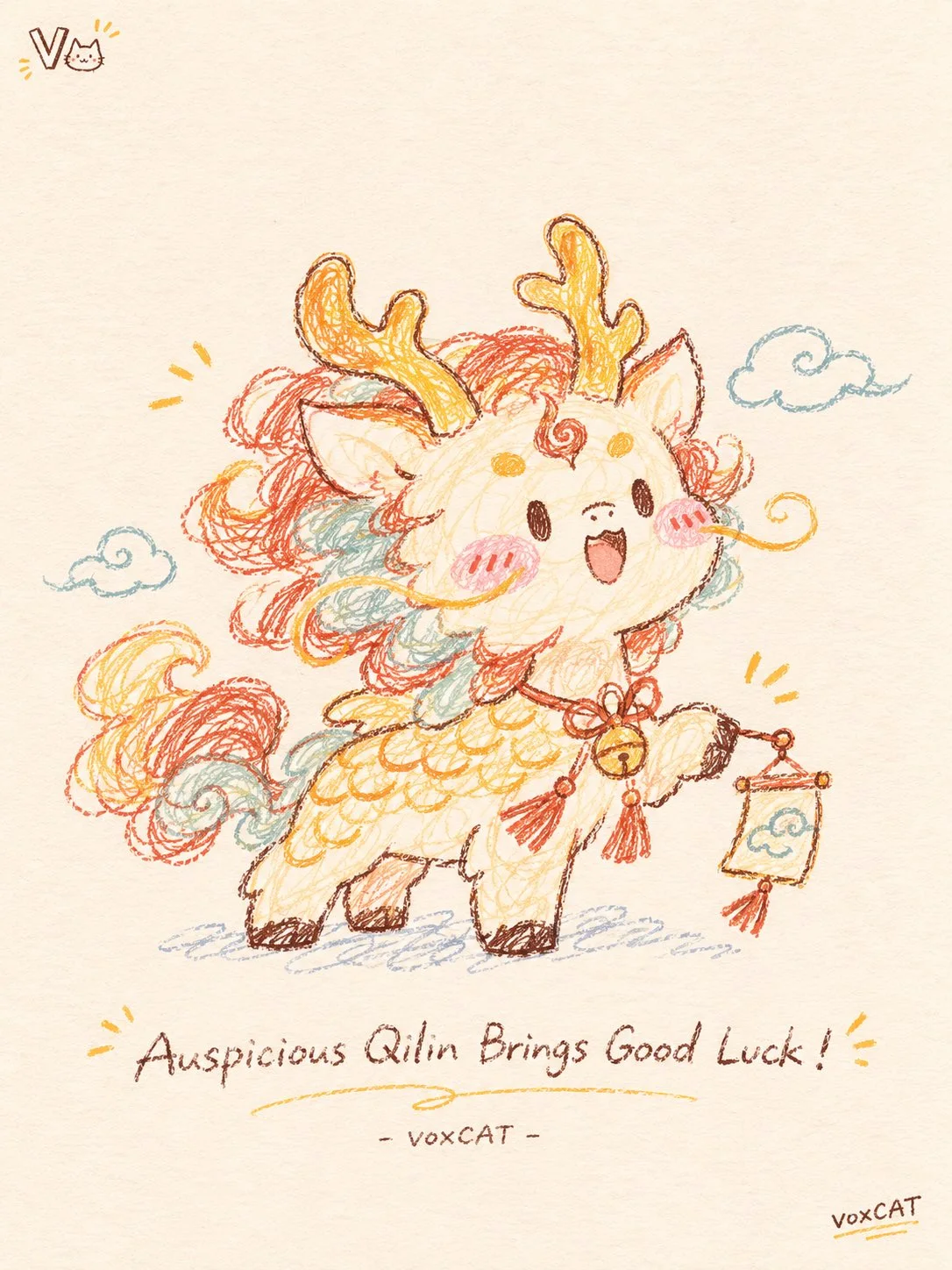
The image uses a grainy texture resembling crayon, oil pastel, thick pencil, and dry media. Black or dark areas are not filled uniformly; traces of wiping, friction, layered coating, breaks, and paper showing through are retained. Outlines carry slight handmade irregularity and clumsiness, and edges need not be perfectly neat. The overall image remains flat: no realistic lighting, metallic materials, complex volume, or smooth digital vector look.
The palette is reorganized by selecting from the photograph the most vivid, most memorable colors that best represent the subject's spirit, forming a concise and bright limited color palette: increase color cleanliness and vitality, use warm white paper and dark silhouettes as a stable base, then naturally extract a few spot-color accents of blue, red, yellow, green, pink, and orange from the original image, used for clothing, plants, food, local architecture, or narrative focal points. Colors are vivid but not overly saturated, creating rhythm through large areas of light and dark contrast and small areas of accent color. Avoid dull, muddy, dark, Morandi-style, fluorescent, and cheap candy-like effects.
The composition emphasizes narrative center, visual weight, positive and negative shapes, rhythm of size, and the relationship of negative space. The subject need not be centered; it may be offset, partially cropped, or form a loose triangular relationship with auxiliary elements, leaving enough white space so the rough silhouettes and colorful small elements can breathe. From a distance the structure is clear; up close, handmade grain and naively playful forms are visible, rather than evenly filling every element.
Text appears sparingly, with no preset fixed title, location, number, or language. Freely extract a few meaningful words based on the subject, action, living state, mood, or cultural context of the photograph. Use light, simple folk editorial typefaces with slight handmade printing deviations and irregular letter spacing, which may be combined with a little handwriting, so the text naturally exists like a sign, menu, note, or publication annotation within the scene. The text may be arranged irregularly along the subject, table, wall, white space, or scene structure, participating in the narrative together with the graphics, but it should not form a regular commercial title bar.
Overall, the work presents a visual temperament composed of naive silhouettes, flat space, crayon grain, limited color, folk symbols, and editorial narrative: warm, humorous, simple, clever, and full of everyday life, while maintaining mature composition and design awareness. Avoid childish cartoon style, cute stickers, realistic illustration, smooth vector art, complex perspective, detailed facial features, excessive detail, 3D rendering, e-commerce illustration feel, and templated effects.