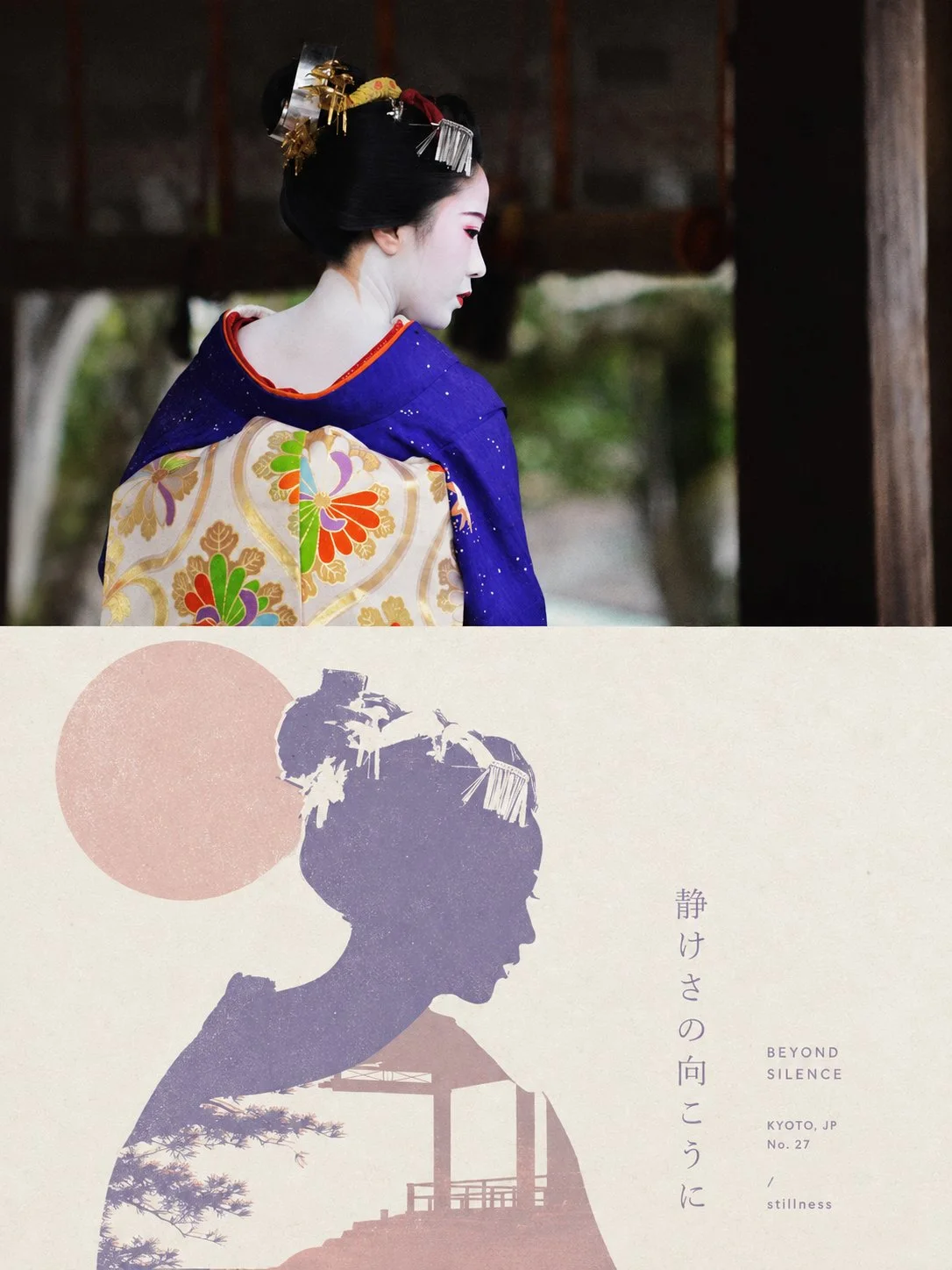
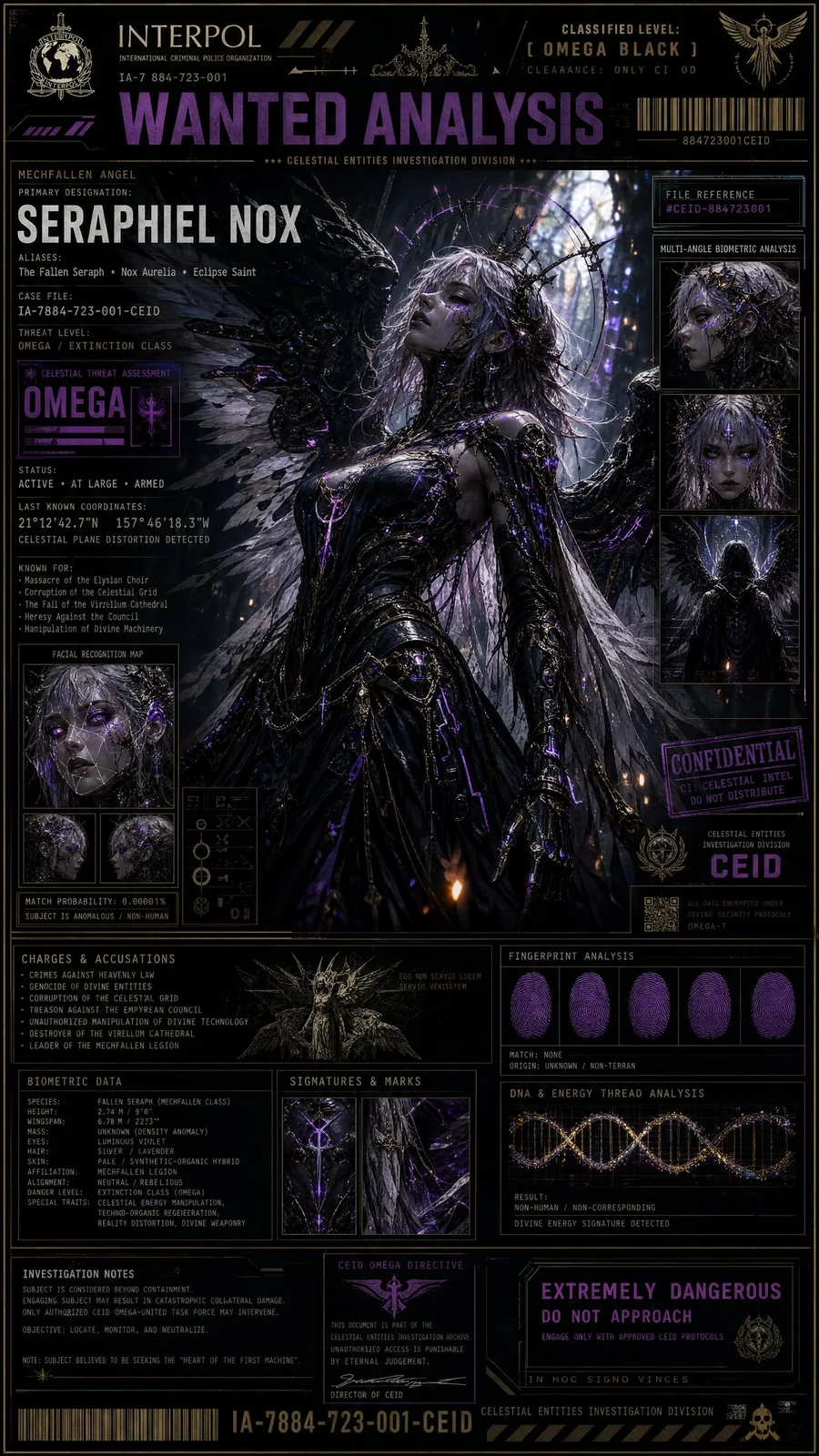
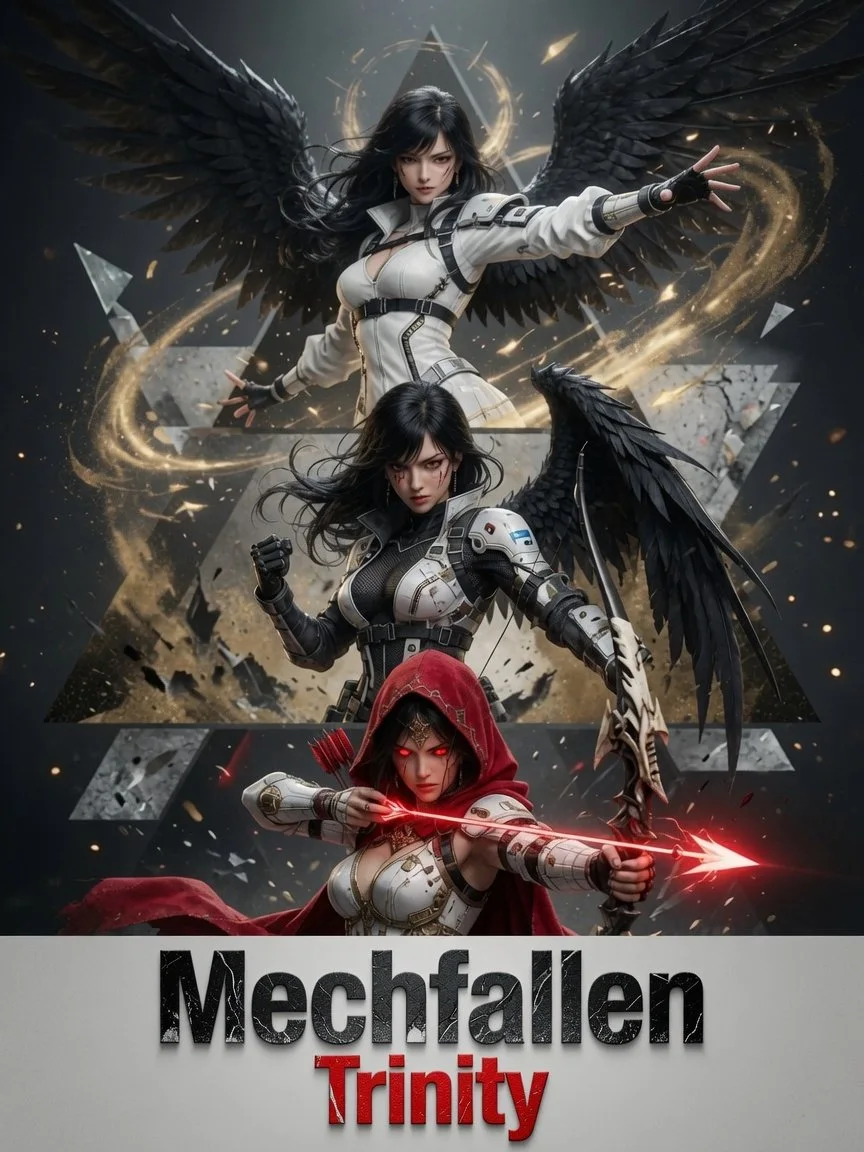
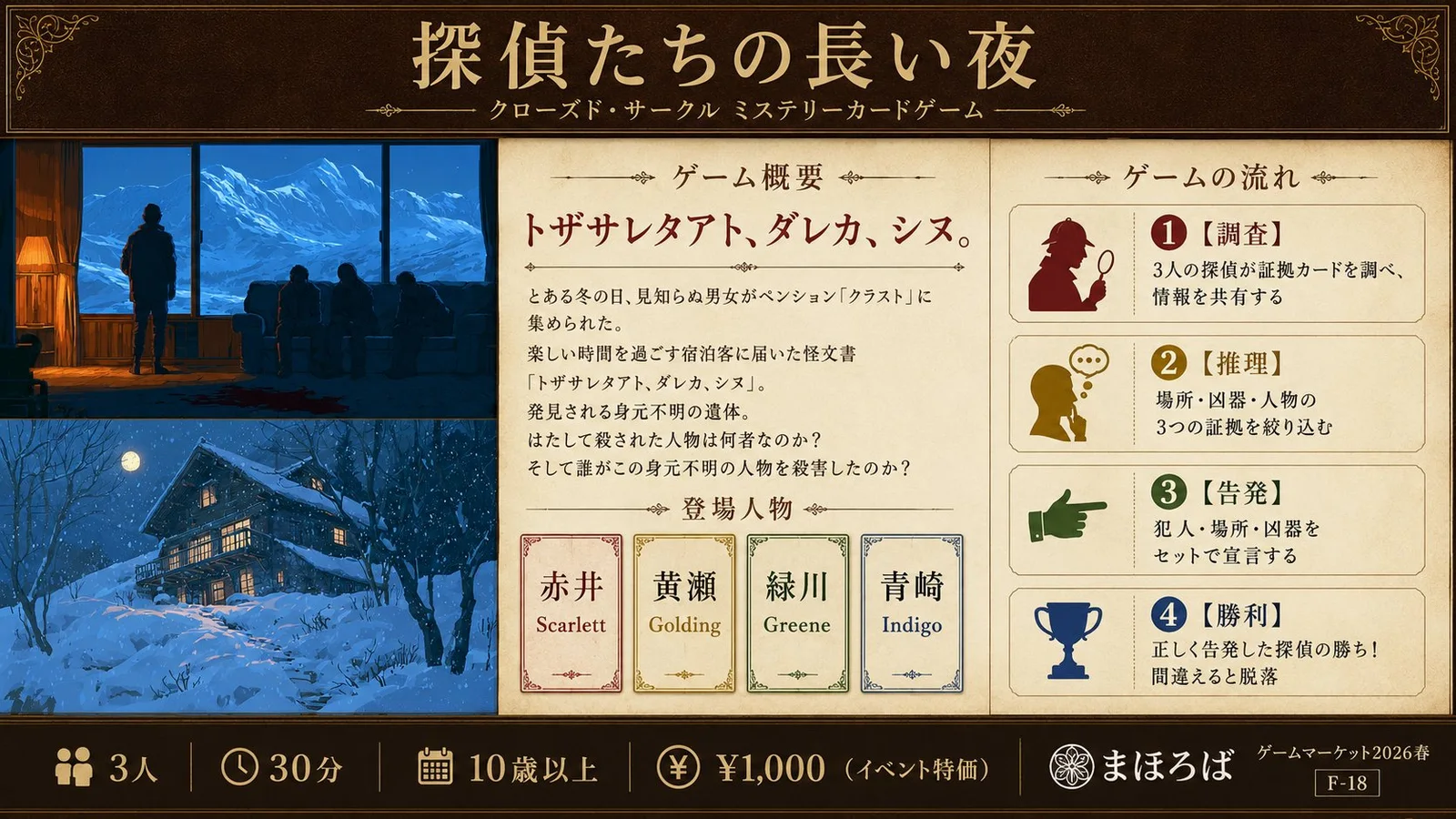
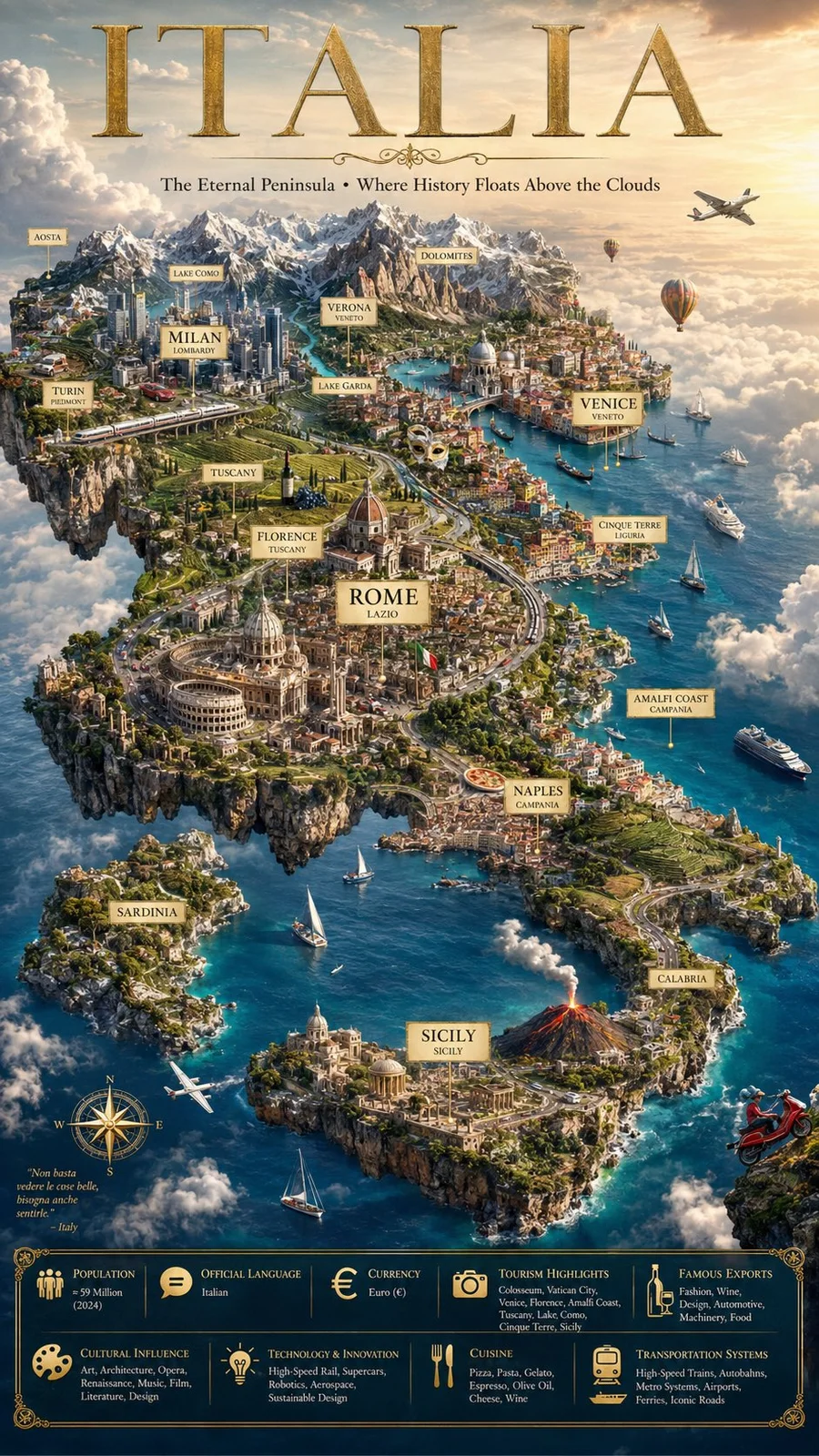
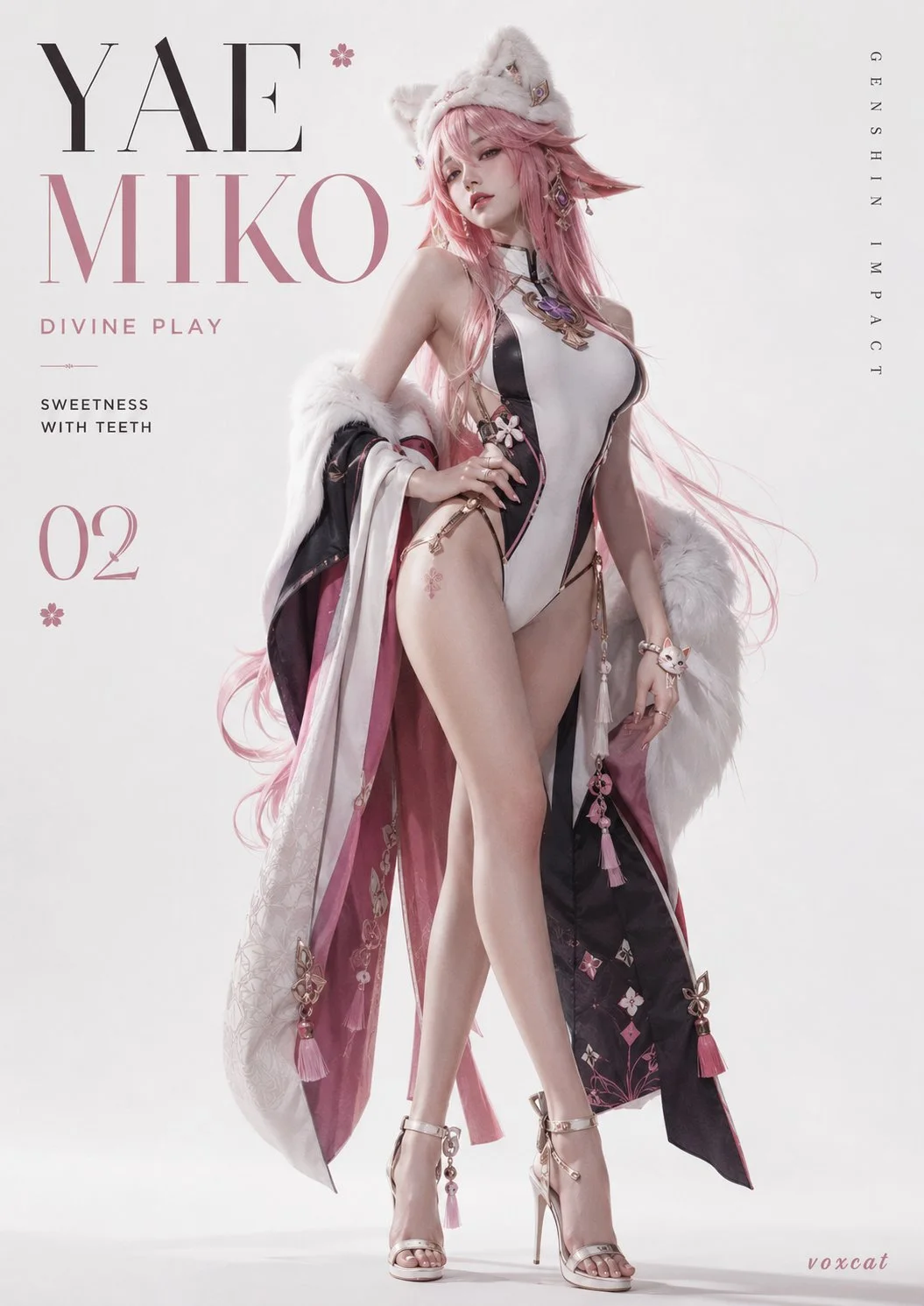
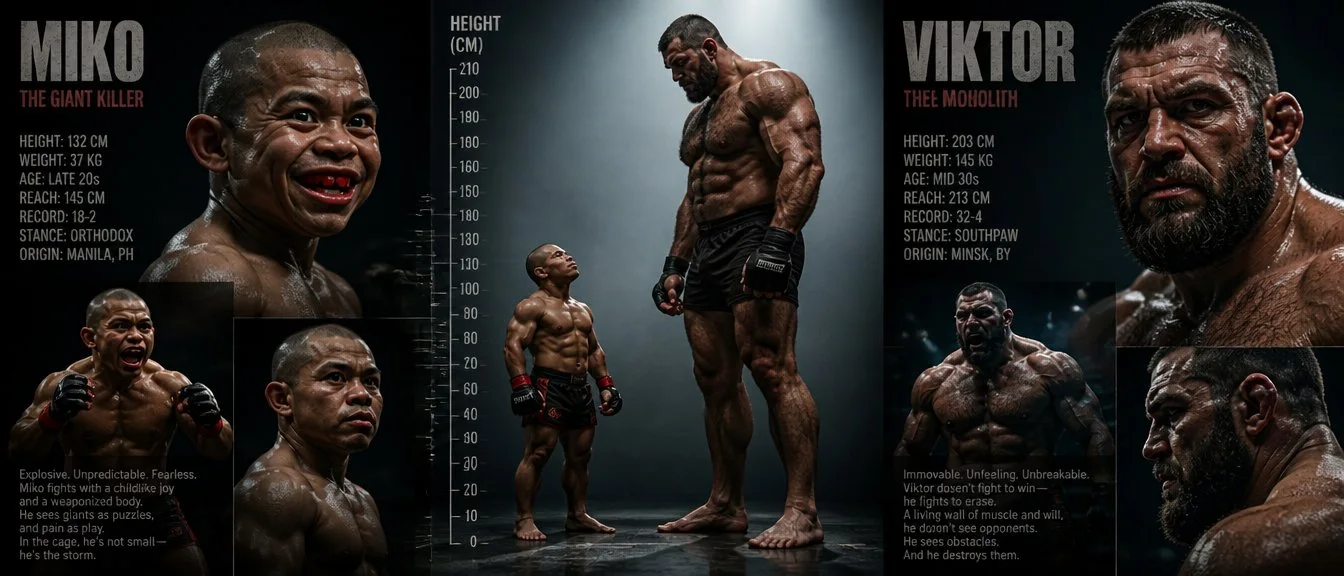
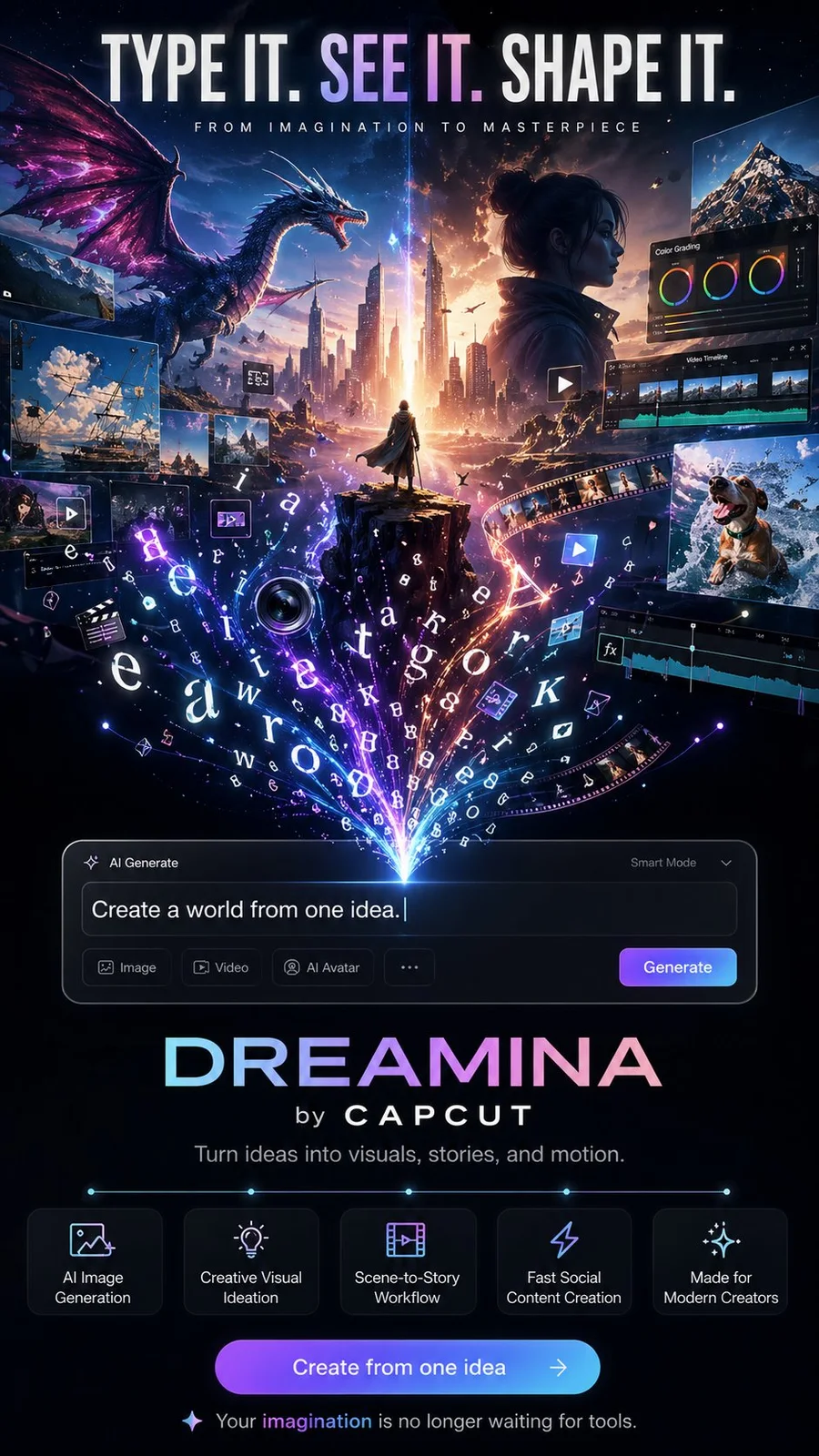
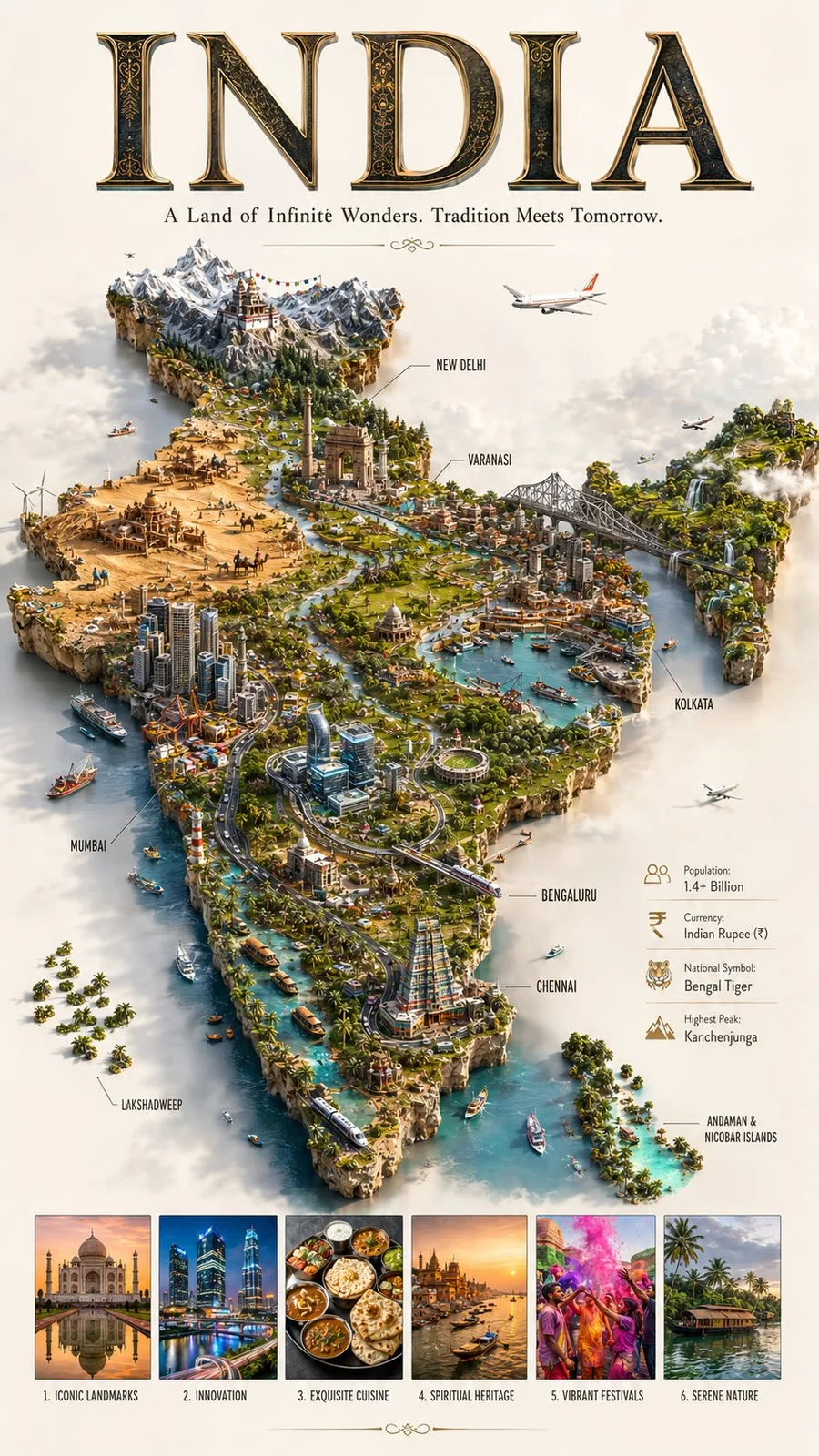
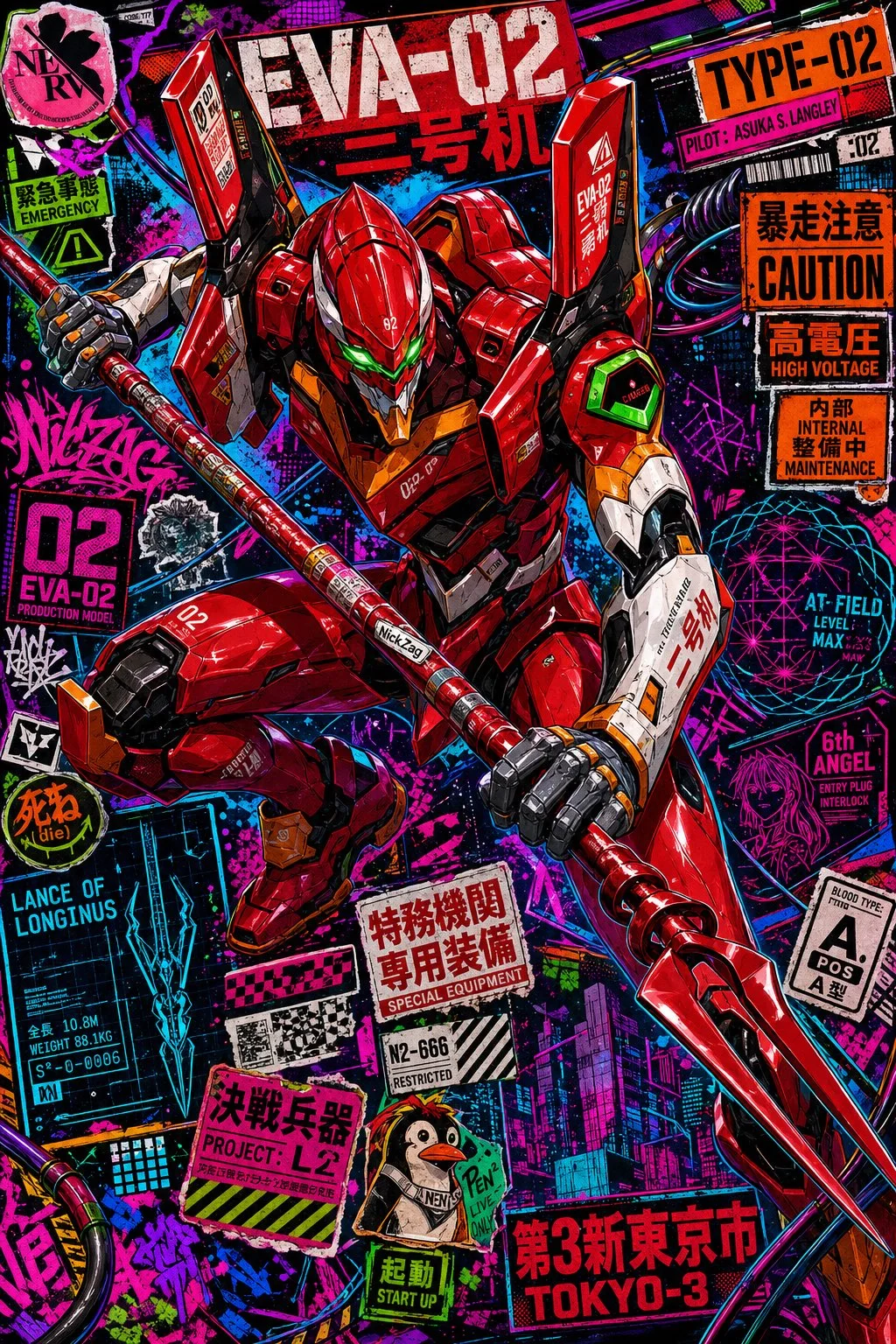
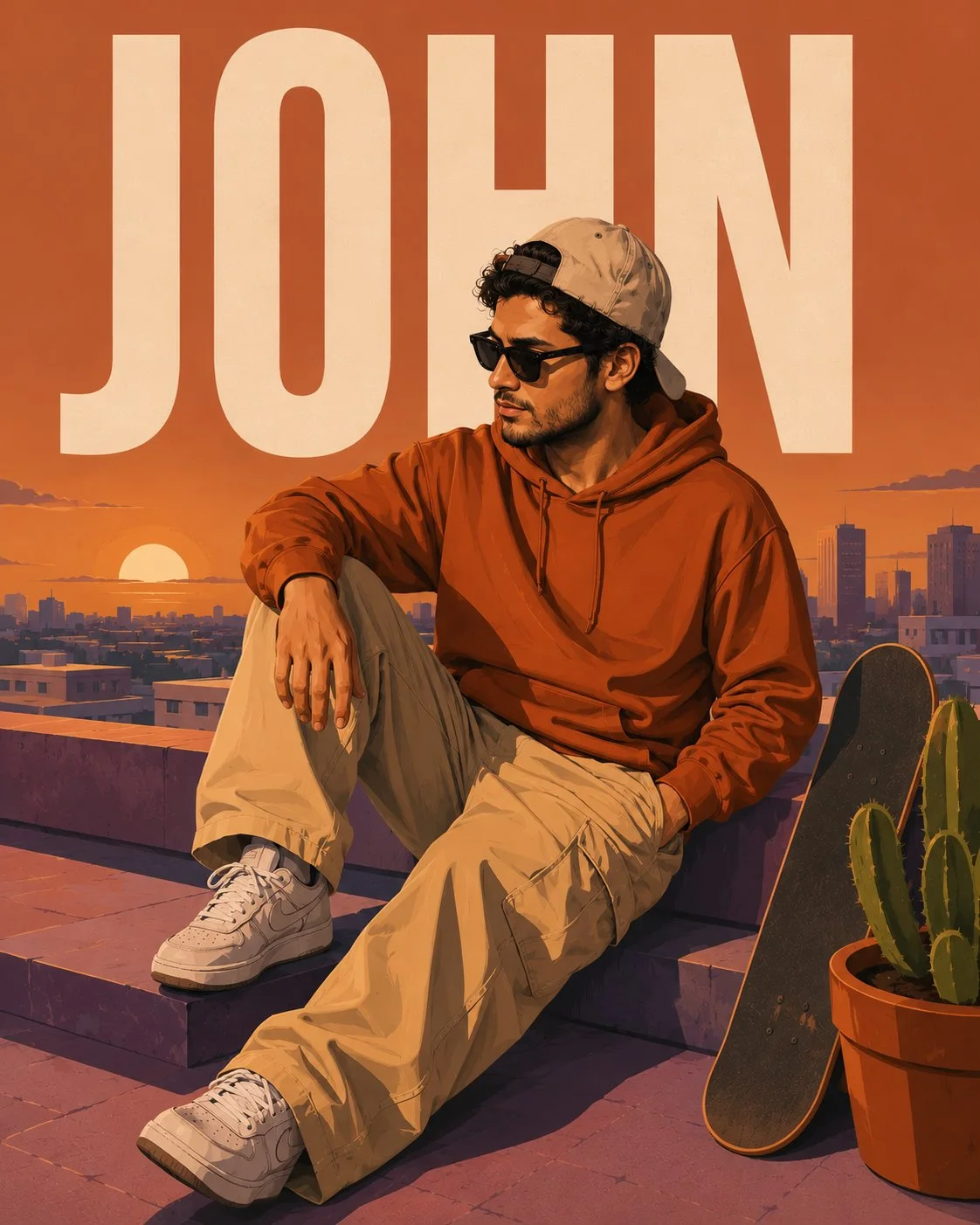
Please turn each photo I upload into a separate, standalone premium design poster. Do not combine multiple images into a collage; output each photo on its own. The overall composition is a 3:4 vertical format, with the upper and lower areas strictly 1:1 in height, each occupying 50% of the frame. The upper half keeps the original photo, preserving the subject's structure, authentic texture, natural light and shadow, and the original color mood, with only a light, refined photographic color grade so that it has the quality of an art magazine, independent publication, or exhibition photography. To fit the frame, the sky, ground, or environmental background may be naturally extended, but the subject must not be stretched, distorted, or altered. The lower half extracts the most recognizable subject, outline, pose, and narrative relationship from the photo and reconstructs them as a minimal Gestalt positive-negative figure screen print. Retain the subject's most distinctive outer silhouette, while distilling from the original image an environment, structure, object, or symbolic image most closely related to it. Use contour interlocking, negative-space cutouts, shared boundaries, and figure-ground reversal so the two merge into one complete figure: from a distance you first recognize the subject, and up close you discover another layer of scene or image hidden within it. Do not simply stack two objects; instead, let the edge of one shape naturally become the boundary of another. The composition keeps a single visual anchor, clear silhouettes, and large areas of negative space. Decide placement according to the subject's own pose, orientation, center of gravity, and contour direction, and you may use off-center placement, partial cropping, vertical nesting, or edge alignment, so that a clever visual transformation occurs between positive and negative forms. Auxiliary elements must be extremely minimal, so that the visual interest comes mainly from the instantaneous switch between "what you see" and "what you see again," rather than from complex decoration. The color scheme uses a healing, soft, and refined Morandi pastel system, referencing the low-saturation color logic of dreamlike architectural spaces: mist pink, soft apricot, grey green, sage, pale terracotta, cream yellow, mist blue, grey purple, and similar harmonious tones. Use a light paper surface as the base, and select and recombine the most spirited color relationships from the original photo through softening and reorganization. Limit the overall palette to 2–4 colors, establishing layers through combined color temperature, value contrast, and area proportions. Colors should be clean, gentle, and airy, avoiding muddy greys, heavy distressed effects, fluorescent colors, and high-contrast commercial palettes. Retain slight paper fiber, screen-printing grain, ink coverage, and color misregistration so the shapes feel like a real printmaking work, but keep edges crisp and color blocks flat, with no gradients, 3D volume, realistic shadows, or glossy CG texture. Text also participates in the positive-negative composition. Distill a short English title from the photo's identity, location, action, mood, state, or symbolic meaning, and pair it with a very small amount of location, number, status words, or micro annotations. Text may be arranged along the subject's outline, along negative-space boundaries, along a horizontal baseline, or along a central axis of white space; it may also be partially embedded in the shapes, cut off by contours, or overlapped with color blocks, so that the text feels like part of the printmaking structure rather than a title stuck on afterward. Overall, keep it small, restrained, clever, and with a premium editorial sensibility. The overall visual character combines minimal geometry, Gestalt optical illusion, soft Morandi colors, screen printing, and poetic narrative. Whether the subject is a person, animal, plant, building, object, vehicle, or natural landscape, maintain a dual reading experience of "recognize the subject at first glance, discover the hidden image on second look," and avoid multiple competing focal points, direct collage, complex illustration, cartoonish feel, commercial promotional feel, and template-like appearance. Text preference: english